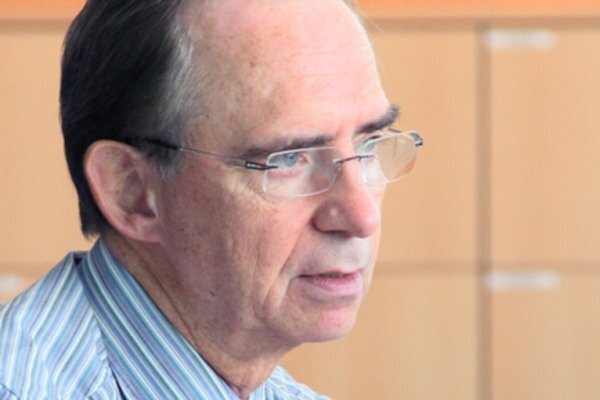
Following the recent developments and difficulties created for cooperation between Iran and the Intertional Atomic Energy Agency (IAEA) after the Isaeli-US aggretion on Iran,TABNAK reached ot to Marc Finaud a senior advisor and associate fellow at the Geneva Centre for Security Policy (GCSP) and former French Foreign Ministry spoksman to talk about the futre of the IAEA and Iran cooperations.
Here is the full text of the interview:
Abbas Araghchi, Iran’s foreign minister, said in an interview with Japan’s Kyodo News that Japan has strong expertise in improving the safety of nuclear facilities, and the knowledge could be shared with Iran. Araghchi raised this point in connection with concerns over the safety of nuclear facilities damaged in the 12-day war. He added that any potential cooperation with Japan in this regard would be separate from the issue of inspections by the International Atomic Energy Agency (IAEA), since, according to him, IAEA has no framework for inspecting facilities damaged by such attacks. Could cooperation with Japan on the safety of damaged facilities pave the way for establishing a new agreement framework between Iran and the IAEA?
Indeed, Japan has extensive experience in nuclear energy, but its record of safety at Fukushima is not very positive. However, since it also has experience in enriching uranium in safeguarded facilities, it may share some advice with Iran, not only about damaged facilities but also about transparency and respect for safeguards obligations.
In the same interview, Araghchi referred to the good cooperation between Iran and Japanese inspectors at the IAEA. He said that cooperation with Japanese inspectors and managers at the Agency and elsewhere has been very useful and could continue in the future. Does this imply that Iran may, in the future, request the presence of Japanese inspectors to examine its damaged facilities?
According to the rules of the IAEA, inspected countries do not have extensive authority on the choice of individual IAEA inspectors. The composition of IAEA inspecting teams is the prerogative of the Agency. In any case, if the Agency chose Japanese inspectors, it is not sure that those inspectors would have any experience in damaged facilities, and they would be under the obligation to apply IAEA procedures, so their nationality would not change very much.
Given the likelihood of a resolution against Iran at the upcoming IAEA Board of Governors meeting and the possibility of the issue being referred to the UN Security Council, can the model Araghchi outlines prevent such an outcome and lead to renewed cooperation with the IAEA?
A majority at the Board of Governors to refer Iran to the UN Security Council could be influenced by Iran's behaviour regarding cooperation with the Agency and transparency about its high enriched uranium stockpile. Even if there were a majority on the Board, it is unlikely that a UN Security Council would adopt any resolution against Iran due to the Russian and Chinese veto.
Based on Araghchi’s remarks, could Japan serve as a bridge to facilitate cooperation between Iran and the IAEA, and subsequently help pave the way for Iran–US dialogue?
Cooperation between Japan and Iran could be useful to restore trust in the peaceful nature of Iran's nuclear program provided Tehran follows Japan's advice to restore cooperation with the Agency and full transparency.


