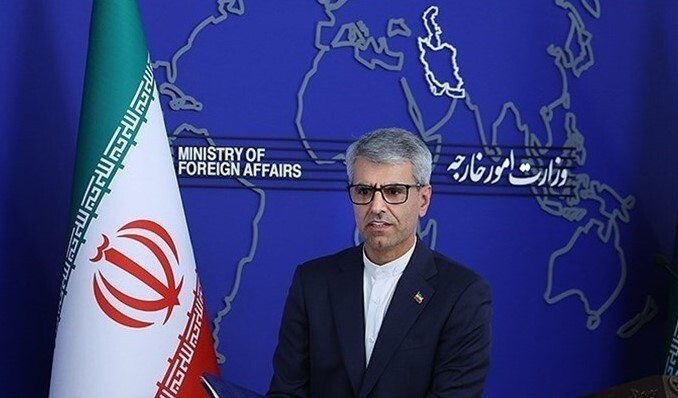
Speaking at the Sixth International Conference on Persian Gulf Oceanography on Tuesday morning, Esmail Baghaei highlighted the geopolitical importance of the Persian Gulf, describing it as far more than a mere geographical area.
“The Persian Gulf is an integral part of the historical, cultural, and civilizational identity of Iran and the nations of the region,” Baghaei said.
He noted that historical evidence, written documents, and geographical maps from the past to the present clearly show that the Persian Gulf has always been a hub of economic, cultural, and human interaction, creating deep and lasting ties among coastal nations.
Comparing the Persian Gulf to key national identity symbols, the Foreign Ministry spokesperson emphasized that just as certain natural landmarks play a defining role in shaping national identity, the Persian Gulf represents a permanent civilizational reality with a unique place in Iran’s history and culture, shared by all ethnic groups across the country.
Baghaei underscored the need for regional stability and security, stating that sustainable security in the Persian Gulf can only be achieved through cooperation, trust-building, and dialogue among littoral states. Relying on the region’s indigenous capacities, he said, can replace tension and destructive rivalries.
He added that mutual respect, adherence to international rules, and a focus on shared interests would pave the way for economic, commercial, and social development in this strategic region.
Baghaei also described the protection of the marine environment as a key pillar of regional planning, stressing that safeguarding the Persian Gulf’s ecosystem and cultural heritage must go hand in hand with economic development to ensure its benefits for future generations, Mehr reported.
Referring to ongoing geopolitical developments and the presence of extra-regional actors, the Foreign Ministry spokesperson reiterated that the Islamic Republic of Iran firmly believes that progress, security, and development in the Persian Gulf cannot be achieved without direct coordination and cooperation among regional countries, adding that strengthening regional diplomacy remains the most effective path forward.


