Qatar played an active mediator role during the recent meeting of the United Nations General Assembly in New York (late September 2026). Doha not only conveyed messages between the Iranian and American delegations, but also declared its main goal to be "creating common ground" and "bridging the gap" between the two sides.
Despite holding meetings and exchanging messages on the sidelines of the General Assembly, the parties could not reach an agreement to reopen the Strait of Hormuz.
Iranian officials communicated their terms to Washington through the Qatari mediator; including the end of the war on all fronts, the lifting of the naval blockade and the release of blocked assets.
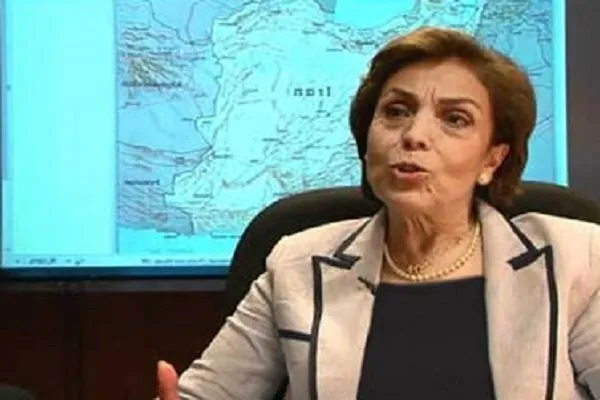
TABNAK reached out to Shireen Tahmaasb Hunter, Professor of Political Science at Georgetown University in the US and discussed the recent developments.
Following is the full text of the interview:
The recent negotiations between Iran and the United States also failed, and Qatar's proposal to halt the conflict and reopen the Strait of Hormuz did not succeed. It appears the US is seeking a deal that covers both the Strait of Hormuz issue and obtains nuclear concessions from Iran. What is your assessment?
Donald Trump wants to show that he managed to get concessions from Iran without masking any confessions to Tehran. In particular, he wants to show that he was the one that forced Tehran to give up its nuclear program. But I believe both the issue of Hormoz and the nuclear dossier are pretexts. Trump, like many other US presidents wants Iran to crumble under the weight of economic and other sanctions and pressures thus enabling the US to shape the country's future.
The US military posture does not indicate a large-scale attack on Iran before the midterm congressional elections. The military posture indicates readiness for such a potential attack on Iran in November. What is your assessment?
It is difficult to predict the future of US intentions by the so-called positioning of its military. The US might want to lull Iran into believing that no attacks would be forthcoming until November and then launch a surprise attack sooner.
According to multiple reports, including from the Wall Street Journal, Saudi Arabia and the United Arab Emirates have obstructed recent negotiations to revive talks between Iran and the US. According to this report, Saudi Arabia and the UAE opposed any reduction of pressure on Iran and asked the Trump administration to maintain economic sanctions and the naval blockade of Iran. Did this have a serious impact on the failure of the recent negotiations?
I am not surprised that the Saudis and the Emiratis tried to hinder a compromise between Iran and the US. As I have been saying for a long time most Arab states, including those in the Persian Gulf, do not have friendly feelings towards Iran and want to weaken it and if possible divide it up. They even tried to prevent the JCPOA. Unfortunately, Iran's own mistakes have made this task easier for them.
What is the most likely scenario for Iran-US tensions in your view?
The best scenario would be a negotiated compromise. But both Iran's and the US' inflexibility makes this scenario unlikely ,although not impossible.The other scenario is to maintain the status quo hoping that Iran would finally surrender. The worst scenario is another full scale American attack and greater regional conflict.


