Qatar played an active mediator role during the recent meeting of the United Nations General Assembly in New York (late September 2026). Doha not only conveyed messages between the Iranian and American delegations, but also declared its main goal to be "creating common ground" and "bridging the gap" between the two sides.
Despite holding meetings and exchanging messages on the sidelines of the General Assembly, the parties could not reach an agreement to reopen the Strait of Hormuz.
Iranian officials communicated their terms to Washington through the Qatari mediator; including the end of the war on all fronts, the lifting of the naval blockade and the release of blocked assets.
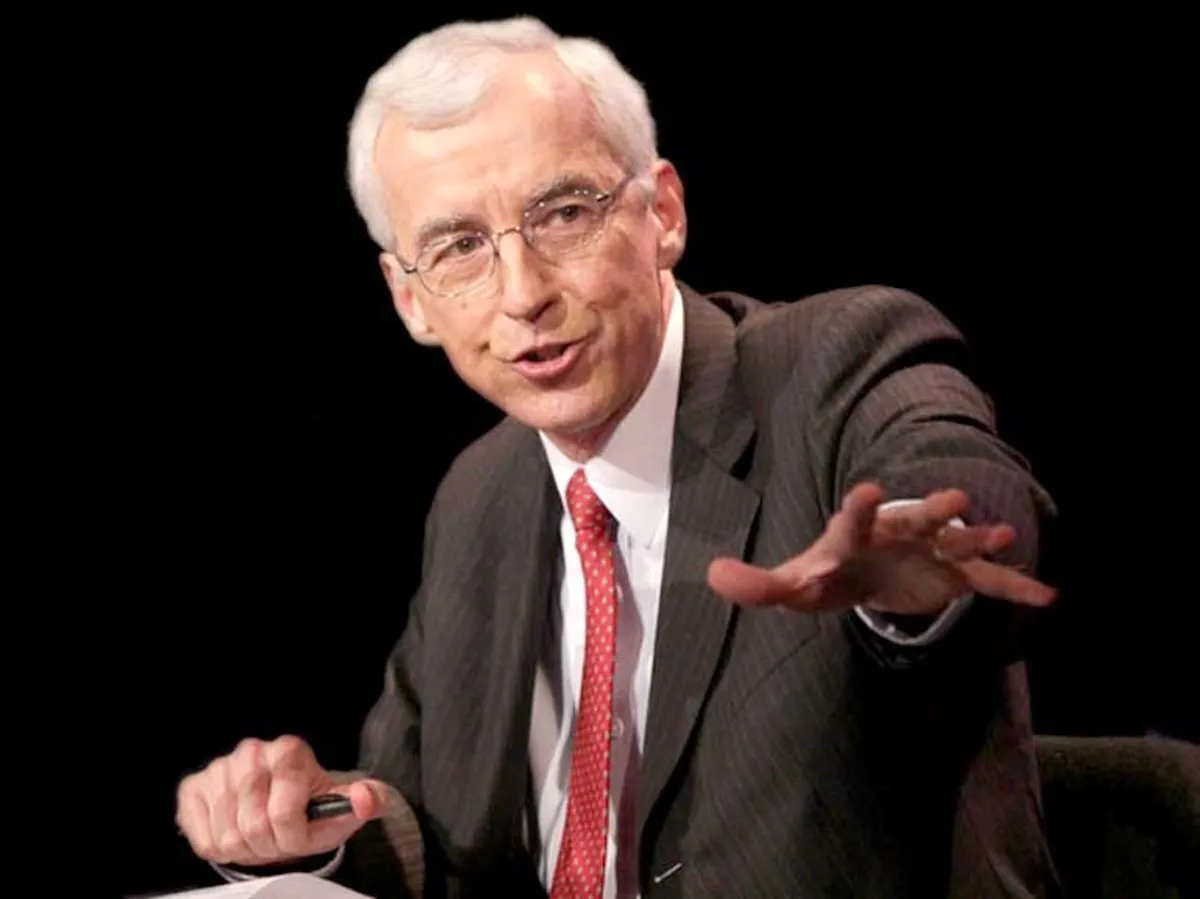
To she more light on the issue, TABNAK reached out Professor Paul Pillar former CIA intelligence analyst.
Following is the full text of his interview:
The recent negotiations between Iran and the United States also failed, and Qatar's proposal to halt the conflict and reopen the Strait of Hormuz did not succeed. It appears the US is seeking a deal that covers both the Strait of Hormuz issue and obtains nuclear concessions from Iran. What is your assessment?
Trump appears content to let the current stalemate continue for at least the next few weeks. In the unlikely event that Iran were to offer nuclear concessions up front, he might accept a deal, but otherwise he will continue to in effect reject the kind of structure that was reflected in the June MoU, which involved a ceasefire and opening of the strait but left most other issues for future negotiation. Probably a major influence on Trump right now is the fact that the U.S. Navy operation in the strait has succeeded in significantly increasing the outward shipment of oil from the Arab oil producers. Trump probably believes that this means time is on his side and that Iran's economic pain will continue while the pain to the rest of the world, including the U.S., that has resulted from disruption of the oil trade will be lessening.
The US military posture does not indicate a large-scale attack on Iran before the midterm congressional elections. The military posture indicates readiness for such a potential attack on Iran in November. What is your assessment?
I believe there is a significant chance of a new U.S. (or U.S.and Israeli) bombing offensive after the congressional elections. The main restraint on Trump at the moment is the fear that escalation will cause energy prices to spike again and that this will hurt Republicans in the election. Once the election is over, this will no longer be a factor, and the next national elections in the U.S. will be two years away. Never underestimate the emotional and pathological dimension of Trump's decision-making. Even if a new military offensive does not really hold much promise of achieving a negotiation breakthrough or otherwise benefit U.S. interests, Trump may order new attacks just as a way of lashing out in frustration and anger at a country that is not bowing to his will.
According to multiple reports, including from the Wall Street Journal, Saudi Arabia and the United Arab Emirates have obstructed recent negotiations to revive talks between Iran and the US. According to this report, Saudi Arabia and the UAE opposed any reduction of pressure on Iran and asked the Trump administration to maintain economic sanctions and the naval blockade of Iran. Did this have a serious impact on the failure of the recent negotiations?
The Saudis and Emiratis have not been very consistent on these issues. They have not liked the war that was launched without consultation with them but are also saying that as long as there is a war, they want it and the accompanying diplomacy to be conducted in a way that leaves Iran weaker, not stronger. To the extent the Saudis and probably also the Emiratis told Trump they don't want negotiations with Iran right now, this would have strengthened the inclination Trump already had to reject the most recent Iranian proposal.
What is the most likely scenario for Iran-US tensions in your view?
As noted above, there will likely be continued stalemate for the next few weeks and then a high risk of new U.S. bombing attacks after the U.S. election. What happens after that could take either of two directions. One is that Trump declares "victory" and accepts some agreement like the June MoU, claiming that his bombing made the difference and induced Iran to make concessions. Or, there is no new agreement and Trump just lets the stalemate continue indefinitely, potentially even leaving the whole issue to his successor two years from now.


