Russia and China vetoed a U.S. bid to renew the mandate of U.N. experts monitoring nuclear sanctions against Iran at the U.N. Security Council on Thursday. The move deepened tensions between the geopolitical rivals over the Trump administration’s efforts to isolate the Islamic republic of Iran.
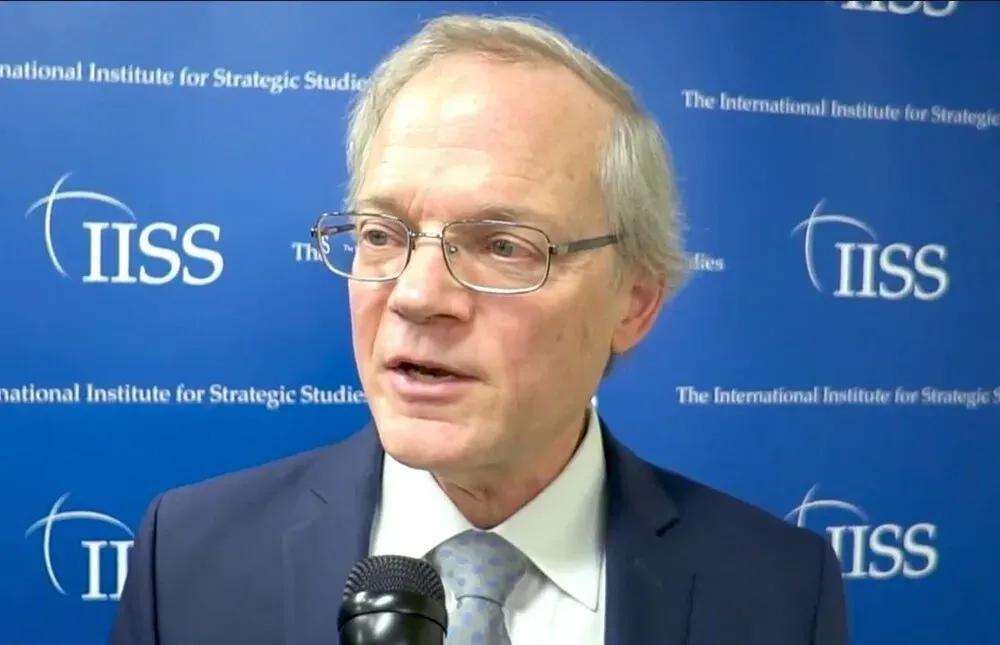
To shed more light on the issue, TABNAK reached out to Mark Fitzpatrick, who was Executive Director of the IISS Americas office and head of the Non-Proliferation and Nuclear Policy Programme untile 2019.
Following is the full text of the interview:
Russia and China vetoed the US-proposed resolution in the United Nations Security Council to extend the mandate of the Iran Sanctions Committee. Accordingly, the return of sanctions under Resolution 2231—which, in the view of Western countries, was rendered ineffective by the activation of the snapback mechanism—will not happen and a legal challenge will arise. What is your assessment?
Although the Russian and Chinese vetoes stop the Committee’s mandate to monitor sanctions implementation, they do not stop the sanctions themselves. The sanctions were reactivated on 27 September 2025 in accordance with the snapback provision and remain in force as a matter of international law. How thoroughly they will be implemented is another question. Russia, China and several other states have ignored the sanctions snapback and will continue to do so. Western-aligned states, on the other hand, will continue to enforce the UN sanctions as well as their national sanctions.
Given the veto of this resolution, what could be the next step for the United States?
Because the UN sanctions remain in place, the vetoes on extending the mandate of the Iran Sanctions Committee are not hugely important. The efficacy of the UN sanctions will be more difficult to assess in the absence of the erstwhile sanctions committee. In my view, this is unfortunate. The United States and other countries may issue their own reports, based on intelligence assessments, but those reports will not have the widespread legitimacy and legal status of the UN Committee’s reports.
Recently, the BoG of the IAEA has also referred Iran’s nuclear case to the UNSC. It appears that any attempt to pass a resolution against Iran’s nuclear case and to impose sanctions through this channel will also face a veto by Russia and China. Accordingly, although the status of Iran’s nuclear case will remain open in the UNSC, no sanctions will be imposed. What legal and political value will this have for the US?
The referral has symbolic and political importance. Putting Iran on the UN docket for the first time in 20 years buttresses the case that the US and its allies have been making that Iran’s nuclear program violates international law. It will result in Iran being further isolated internationally. Theoretically, the UNSC now has a legal basis to impose further sanctions on Iran. This will not happen, however, as long as Tehran can count on the friendship of Moscow and Beijing to veto further sanctions.


