Following the recent developments in the region and continuation of challanges between Iran and the US in the Persian Gulf region and Strait of Hormuz, TABNAK reached out to Mark Fitzpatrick, who was Executive Director of the IISS Americas office and head of the Non-Proliferation and Nuclear Policy Programme untile 2019.
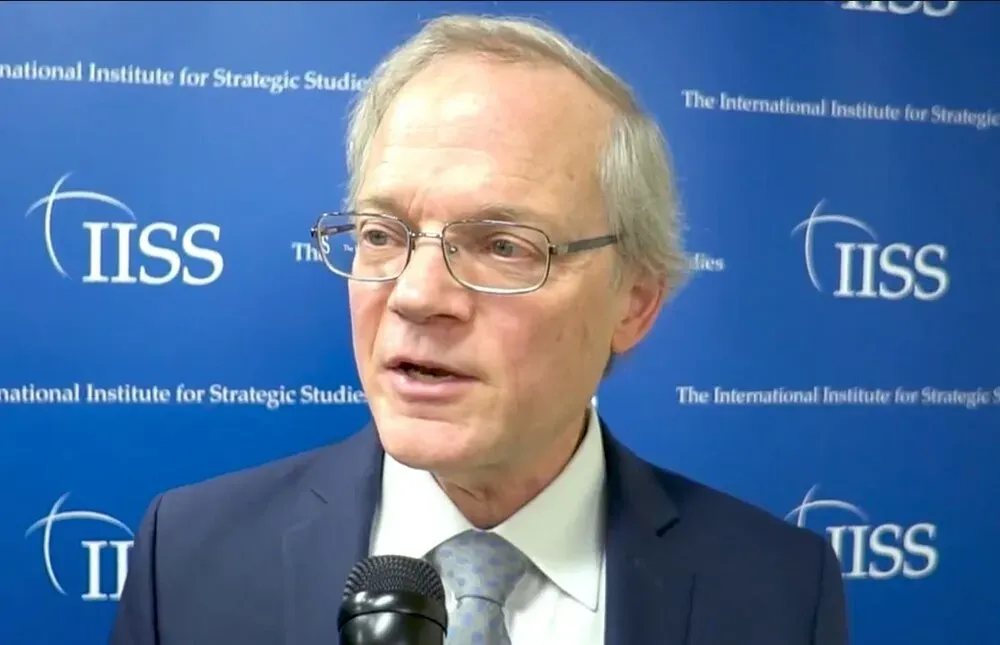
Here is the full text of the interview:
In recent days, Donald Trump had threatened to attack Iran's energy infrastructure and power plants. However, he refrained from such an action. What are the reasons for this?
I don’t know anyone who believes President Trump’s claim that he called off his threatened strikes on Iran’s civilian infrastructure in order to allow for talks, which he said would take place on Monday. The real reasons include the ones referred to in your other questions: the concerns of Iran’s Arab neighbors about retaliation against them, and America’s limited anti-missile munitions. The other factor is political. Trump’s advisers know that widening the war will further increase oil prices and thus inflation as US midterm elections approach.
It has been reported that Saudi Arabia played a significant role in dissuading Trump from attacking Iran's energy infrastructure. What are the reasons for that?
Against their wishes, Saudi Arabia and other [Persian] Gulf states have been drawn into a war that badly damages their economies and reputation for stability. Crown Prince Mohammed bin Salman used his close relations with Trump to advise against infrastructure bombing for which Saudi Arabia would pay the price. Iran’s continued capacity, including that of its militia allies in Iraq to launch missile and drone strikes against its neighbors combined with Ansar Allah’s ability to threaten the Bab al-Mandab waterway gives Iran escalation dominance. Tehran’s willingness to withstand pain gives it the advantage in this deadly game of chicken.
It has also been reported that the depletion of U.S. military stockpiles has been one of the main reasons for this. In this regard, General Alexus Grynkewich, commander of U.S. European Command, warned the administration this week that his forces are no longer capable of continuing to defend Israel. How effective do you consider this factor?
Secretary of Defense Pete Hegseth will not admit that US munitions are in critical short supply, so it was refreshing to me as a citizen to hear General Grynkewich reportedly say so. An inability to defend Israel against missile attacks undoubtedly played an important role in Trump’s decision to not bomb Iranian infrastructure.
Given the current trend, how likely do you think ithat negotiations between Iran and the U.S. will begin and an initial agreement will be reached?
Trump is keen to resume talks, especially over the Hormuz Strait, which has become the most pressing problem for him. This is ironic given it wasn’t even an issue before the US and Israel launched attacks in February. And although Trump claims Iran is eager to talk, the evidence suggests otherwise. It does seem possible and even likely, however, that Iran and Oman will work out an arrangement to restore shipping in the Strait. The US will have to be involved in this, directly or indirectly, because its leverage on lifting sanctions can give Iran an incentive to compromise. I am much less optimistic that the US and Iran can work out a deal on the nuclear issue. The US will use up most of its sanctions leverage just on getting the Strait of Hormuz opened.
Can the current developments be assessed as a ground for de-escalation, or might we once again witness an escalation of tensions between Iran and the U.S.?
The current developments are certainly grounds for de-escalation. Trump would much prefer talks over resumed bombing, His pattern in all of his global dealings is to make bold threats, which he believes persuades adversaries to make concessions. The truth is usually the opposite: he stands down from his threats when it becomes apparent that he does not have the upper hand.


