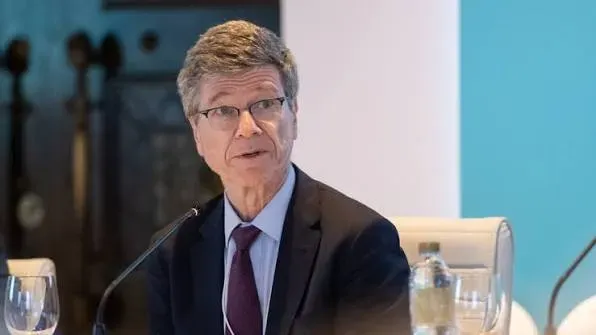
Following the rrecent developments in the region and continuation of challanges between Iran and the US in the Persian Gulf region and Strait of Hormuz, TABNAK reached out to Jeffrey David Sachs, an American economist and public policy analyst. He is a professor at Columbia University, at which he was formerly director of The Earth Institute and currently director of the Center for Sustainable Development. From 2002 to 2018, Sachs was special adviser to the UN Secretary-General.
Here is the full text of the interview:
In recent days, Donald Trump had threatened to attack Iran's energy infrastructure and power plants. However, he refrained from such action. What are the reasons for this?
The US has refrained from attacking Iran because of Iran’s credible deterrence. If the US attacks in the ways that Trump has threatened, Iran will destroy much of the infrastructure of Israel and the [Persian] Gulf countries. The US (and Israel and the [Persian] Gulf countries) lack adequate air defenses. Iran, in short, poses a credible threat to the US and its allies. This, and only this, have stopped the US escalation.
Given the current trend, how likely do you think negotiations between Iran and the U.S. will begin and an initial agreement will be reached?
The US and Iran are very unlikely to reach a formal agreement. This is because the US is afraid of being declared a “loser” in the war. The US aura of strength, which US strategists cling to desperately, depends on the US rejecting reasonable compromises and visible concessions. Trump is very unlikely to sign any agreement which would make him and the USG look weak.
Can the current developments be assessed as a ground for de-escalation, or might we once again witness an escalation of tensions between Iran and the U.S.?
In my view, as I have expressed for months, the practical implication is that the US should stop the attacks and leave the region, declare “victory” with whatever narrative it wants. If the US leaves, Iran has no incentive to continue any kind of attacks against its neighbors. Iran’s strong interest is to re-establish decent relations with its Arab neighbors following the retreat of the US.
I have long suggested that Iran should convey a simple message (via intermediaries) to the US Government: the US military should cease its attacks and its warships should leave the region, and then the fighting will stop. If I were the USG, I would seek such an approach.


