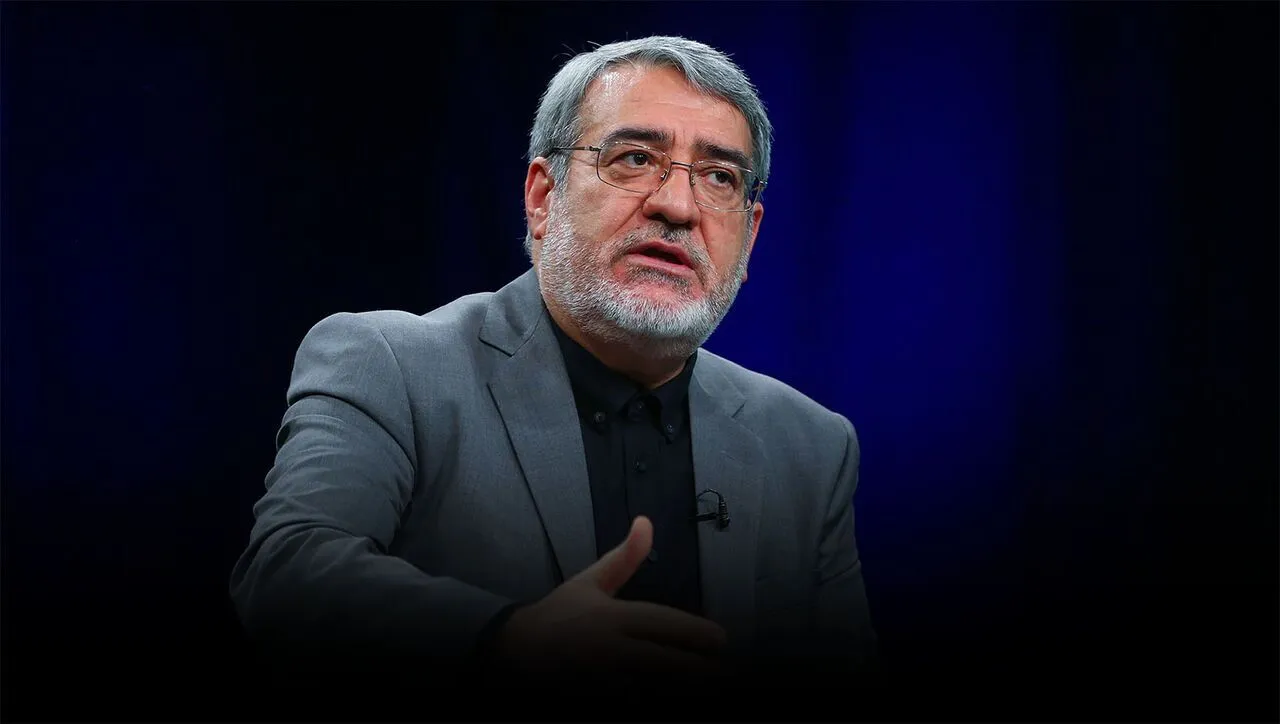
Iran’s Ambassador to China, Abdolreza Rahmani-Fazli, has emphasized that China can play both a direct and an indirect role in establishing security and fostering regional and international peace.
During a press conference held on Tuesday at the Iranian embassy in Beijing, which was attended by numerous Chinese media representatives, Rahmani-Fazli emphasized, “China has consistently advocated for negotiations, reducing tensions, and strengthening collective security, strategic development, and cooperation in the Persian Gulf region. We believe that China can play both a direct and an indirect role in establishing peace, security, and cooperative efforts in the region.”
He added, “As a permanent member of the United Nations Security Council, China maintains strong relations with countries in the Persian Gulf and the Middle East, including Iran. It also has effective cooperation with other countries in West Asia. Therefore, China can leverage its constructive influence to help establish regional peace and security.”
The ambassador also said, “China has made significant contributions to strengthening and supporting regional peace, both in the Security Council and at the regional level, and we appreciate these efforts.”
In response to a question about the discussions aimed at ending the recent US attacks on Iran, Rahmani-Fazli said that Iran has consistently maintained its right to defend itself and responds to US attacks, and whenever the US stops its aggressive attacks, “we will stop our actions in return.”
He added that countries in the Persian Gulf, along with China, Russia, Pakistan, and some European nations, are actively working to bring an end to this war, recognizing the economic and security repercussions of military aggression in the region.
Due to domestic and international pressure, the US has temporarily paused its attacks; however, Israel continues to push for further aggression, Rahmani-Fazli said, noting that Israeli Prime Minister Benjamin Netanyahu’s visit to the US appears to be an effort to entangle Washington further in the war and to test the US’s independence. Nonetheless, he asserted that this visit will not weaken Iran’s resolve to resist.
The ambassador said, “We have consistently emphasized that, in addition to our willingness to defend ourselves, we are also prepared to negotiate. However, due to the United States’ lack of commitment to the memorandum of understanding [the Islamabad MoU] and its failure to uphold its commitments, Iran has no confidence in the American side.”
He added, “First, we believe in ending the war and ceasing threats. Second, we advocate for mutual respect. Third, we insist on adherence to commitments. However, we do not trust the Americans in any of these areas because we have had bitter experiences in this regard, especially over the past year. We are open to negotiations and diplomacy, but it must be independent, effective, and conducted under fair conditions—without the presence of threats, pressure, military forces, or bombings.”
Regarding the Strait of Hormuz, the ambassador said that the United States has no right to operate from a distance on the soil of other countries and launch attacks against regional nations, adding that this behavior violates international law and the UN Charter. Consequently, the UN, the Security Council, world powers, and regional countries are expected to intervene and put an end to these aggressions, he added.
He emphasized, “If US aggressions continue, we will defend ourselves once again. I must point out that Iran has not yet utilized its full defensive capabilities. The UN and influential countries in international affairs must take serious action to halt these aggressions.”


